Species page
blind shark
Shark species in Brachaeluridae.
Brachaelurus waddi
Species page
Shark species in Brachaeluridae.
Blind sharks are quiet reef-floor specialists that spend much of the day wedged under ledges or among rocks. In PocketShark, treat this as a calm, bottom-loving coastal shark rather than a roaming open-water species. Blind sharks are small carpet sharks with stout bodies, short barbels near the nostrils, and a bottom-oriented posture. The body pattern is usually subdued or mottled rather than boldly striped. Blind sharks are centered in Australian and nearby southwestern Pacific coastal waters. Individual species tend to have relatively small regional ranges.
They are bottom-dwelling sharks of shallow reefs, rocky ledges, sandy pockets, and coastal bays, often hiding in crevices by day.
Added from the World Register of Marine Species (WoRMS).
Why it matters: Some blind sharks can pump water over the gills while resting, which helps them stay tucked into reef shelters.
Blind sharks are small carpet sharks with stout bodies, short barbels near the nostrils, and a bottom-oriented posture. The body pattern is usually subdued or mottled rather than boldly striped.
Blind sharks are centered in Australian and nearby southwestern Pacific coastal waters. Individual species tend to have relatively small regional ranges.
They are bottom-dwelling sharks of shallow reefs, rocky ledges, sandy pockets, and coastal bays, often hiding in crevices by day.
Family: Brachaeluridae
Compare it against bluegray carpet shark, bullhead, and cat shark.
They are harmless in ordinary circumstances, though a handled animal may bite defensively. Human pressure is mostly local habitat disturbance rather than frequent fisheries contact.
Species-level taxonomy was verified from Sharkipedia's current species list and taxonomy workbook. In this pass, the narrative fields are cautious family-level placeholders synthesized from broad shark references, chiefly the FAO Sharks of the World catalogue, because a stronger multi-source species-level synthesis was not assembled here without risking invented detail. Replace this with a direct species-level synthesis before publication in the app.
These links are meant to help readers continue through related species, not force extra clicks.
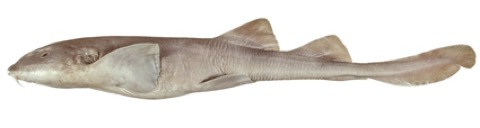
Common name: Bluegrey carpetshark
Shark species in Brachaeluridae.
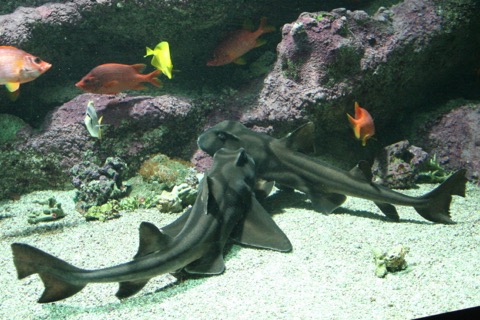
Common name: Port Jackson shark
Shark species in Heterodontidae.
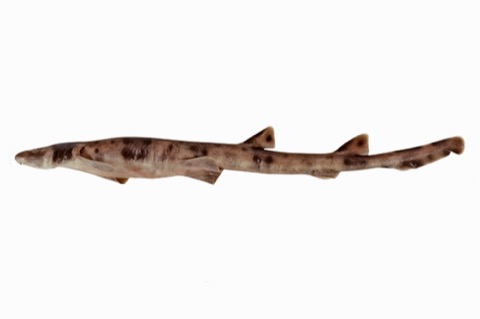
Shark species in Parascylliidae.
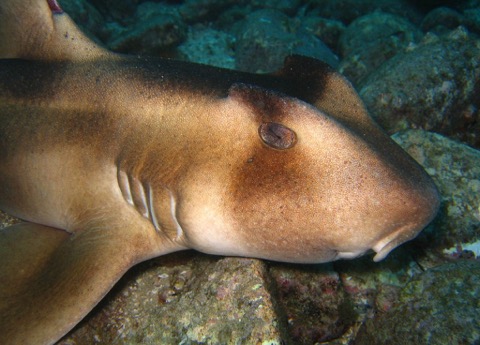
Common name: Crested hornshark
Shark species in Heterodontidae.