Species page
Chaenogaleus Macrostoma
Shark species in Hemigaleidae.
Chaenogaleus macrostoma
Species page
Shark species in Hemigaleidae.
Weasel sharks are lightly built tropical coastal sharks, often associated with soft-bottom shelves and bays. For PocketShark, think of this as a provisional warm-water coastal profile with a slim body and a relatively long snout. Hemigaleids are usually slender sharks with relatively long snouts and a lightly built, fast-looking shape compared with stockier coastal families. Weasel sharks are chiefly tropical coastal sharks of the Indo-West Pacific and parts of the eastern Atlantic. Many species are regional rather than truly worldwide.
They use shelves, bays, estuaries, muddy coasts, and shallow slope habitats, often in warm turbid water.
Added from the World Register of Marine Species (WoRMS).
Why it matters: Because they often live in turbid coastal water, some weasel sharks remain poorly photographed despite being coastal animals.
Hemigaleids are usually slender sharks with relatively long snouts and a lightly built, fast-looking shape compared with stockier coastal families.
Weasel sharks are chiefly tropical coastal sharks of the Indo-West Pacific and parts of the eastern Atlantic. Many species are regional rather than truly worldwide.
They use shelves, bays, estuaries, muddy coasts, and shallow slope habitats, often in warm turbid water.
Family: Hemigaleidae
Compare it against African ribbontail catshark, African spotted catshark, and Akheilos Suwartanai.
They are not a major public-safety concern. Their conservation story is more about coastal fisheries and habitat stress.
Species-level taxonomy was verified from Sharkipedia's current species list and taxonomy workbook. In this pass, the narrative fields are cautious family-level placeholders synthesized from broad shark references, chiefly the FAO Sharks of the World catalogue, because a stronger multi-source species-level synthesis was not assembled here without risking invented detail. Replace this with a direct species-level synthesis before publication in the app.
These links are meant to help readers continue through related species, not force extra clicks.
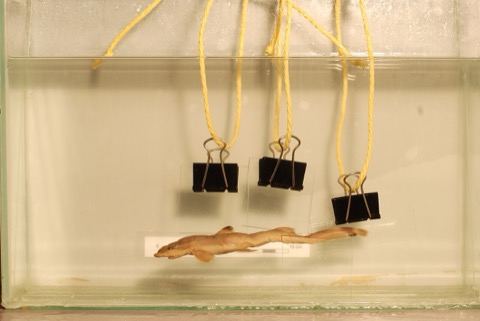
Shark species in Proscylliidae.
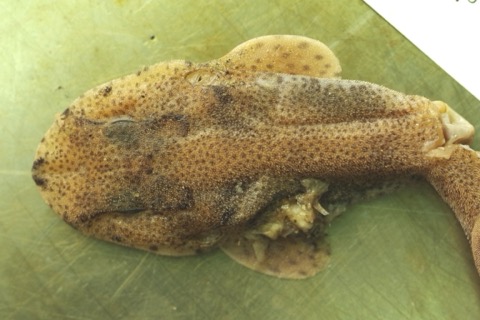
Shark species in Pentanchidae.
Shark species in Scyliorhinidae.
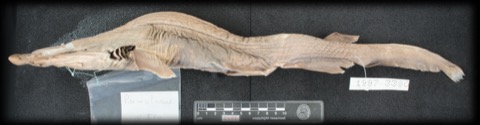
Shark species in Pentanchidae.