Species page

Chiloscyllium Hasseltii

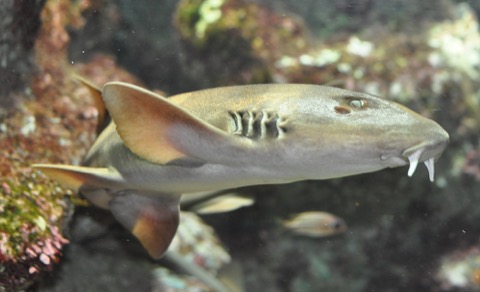
This species belongs to the bamboo and epaulette shark family, a group of small patterned sharks built for life on tropical reef flats. The field-guide feel is gentle and close-to-the-bottom: walking fins, egg cases, and shallow habitat are recurring themes. Hemiscylliids are slim-bodied carpet sharks with a rounded head, strong bottom posture, and bold spots, bands, or ocelli in many species. Bamboo and epaulette sharks are centered in the Indo-Australian region, especially around reefs, lagoons, and seagrass-rich tropical coasts. Several species have small ranges tied to local reef systems.

Chiloscyllium hasseltii
Overview

This species belongs to the bamboo and epaulette shark family, a group of small patterned sharks built for life on tropical reef flats. The field-guide feel is gentle and close-to-the-bottom: walking fins, egg cases, and shallow habitat are recurring themes. Hemiscylliids are slim-bodied carpet sharks with a rounded head, strong bottom posture, and bold spots, bands, or ocelli in many species. Bamboo and epaulette sharks are centered in the Indo-Australian region, especially around reefs, lagoons, and seagrass-rich tropical coasts. Several species have small ranges tied to local reef systems.

They are usually shallow benthic sharks of coral reefs, rubble, seagrass beds, mangrove edges, and lagoon flats.

Why it matters: Epaulette-type sharks can keep moving in very shallow, oxygen-poor water where many fishes would struggle.

Scientific nameChiloscyllium hasseltii
FamilyHemiscylliidae
OrderOrectolobiformes
Max length0.6 m

What this shark is

Hemiscylliids are slim-bodied carpet sharks with a rounded head, strong bottom posture, and bold spots, bands, or ocelli in many species.

Where it lives

Bamboo and epaulette sharks are centered in the Indo-Australian region, especially around reefs, lagoons, and seagrass-rich tropical coasts. Several species have small ranges tied to local reef systems.

They are usually shallow benthic sharks of coral reefs, rubble, seagrass beds, mangrove edges, and lagoon flats.

How it differs from similar sharks

Body shape, size, and habitat are the main cues that separate it from related sharks.

Compare it against Arabian bamboo shark, Burmese bamboo shark, and Chiloscyllium Caeruleopunctatum.

Why it is notable

They are gentle, low-risk sharks that are often encountered by divers and aquarists. Local habitat damage and collection pressure can matter more than direct persecution.

Related shark pages

These links are meant to help readers continue through related species, not force extra clicks.

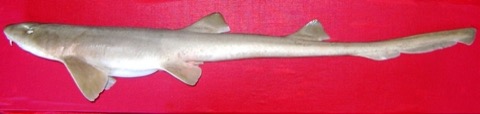
Arabian carpetshark reference photograph showing the slender carpetshark body and soft mottling; not to scale.
Chiloscyllium arabicum

Arabian bamboo shark

This species belongs to the bamboo and epaulette shark family, a group of small patterned sharks built for life on tropical reef flats. The field-guide feel is gentle and close-to-the-bottom: walking fins, egg cases, and shallow habitat are recurring themes.

0.8 m max
Chiloscyllium burmense

Burmese bamboo shark

This species belongs to the bamboo and epaulette shark family, a group of small patterned sharks built for life on tropical reef flats. The field-guide feel is gentle and close-to-the-bottom: walking fins, egg cases, and shallow habitat are recurring themes.

0.6 m max
Chiloscyllium caeruleopunctatum

Chiloscyllium Caeruleopunctatum

This species belongs to the bamboo and epaulette shark family, a group of small patterned sharks built for life on tropical reef flats. The field-guide feel is gentle and close-to-the-bottom: walking fins, egg cases, and shallow habitat are recurring themes.

0.7 m max
Grey bamboo shark photograph showing the long narrow body and subdued striping; not to scale.
Chiloscyllium griseum

blackbanded bamboo shark

This species belongs to the bamboo and epaulette shark family, a group of small patterned sharks built for life on tropical reef flats. The field-guide feel is gentle and close-to-the-bottom: walking fins, egg cases, and shallow habitat are recurring themes.

0.8 m max