Species page
Cookiecutter Shark
Small shark that carves neat circular bites from larger animals.
Isistius brasiliensis
Least concern
Species page
Small shark that carves neat circular bites from larger animals.
This species belongs to a deepwater-oceanic family that includes the luminous cookiecutter and kitefin sharks. Treat the profile as a provisional guide to small, dark, often poorly seen sharks of the dim midwater world. Dalatiids are usually small to medium sharks with no anal fin, two spineless dorsal fins, and in many species a dark body adapted to deep or open-ocean life. Several species also have light-producing organs. Kitefin, cookiecutter, and related sharks occur in tropical to temperate seas around the world, mainly in oceanic or deepwater settings. Many species have broad but thinly sampled distributions.
This family is most often associated with mesopelagic waters, deep slopes, and offshore environments. Some species make nightly movements toward the surface.
A notorious tiny shark with outsized reputation.
Why it matters: Some dalatiids glow, helping them blend into faint downwelling light from above.
Dalatiids are usually small to medium sharks with no anal fin, two spineless dorsal fins, and in many species a dark body adapted to deep or open-ocean life. Several species also have light-producing organs.
Kitefin, cookiecutter, and related sharks occur in tropical to temperate seas around the world, mainly in oceanic or deepwater settings. Many species have broad but thinly sampled distributions.
This family is most often associated with mesopelagic waters, deep slopes, and offshore environments. Some species make nightly movements toward the surface.
Circular biting strategy
Compare it against コヒレダルマザメ, Blacknose Shark, and Bonnethead.
People rarely meet them alive. Most human relevance comes from unusual bite marks on prey, bycatch, or occasional records from deepwater fisheries.
These links are meant to help readers continue through related species, not force extra clicks.
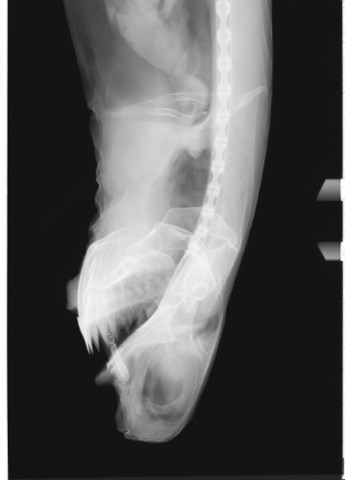
Common name: Largetooth cookiecutter shark
This species belongs to a deepwater-oceanic family that includes the luminous cookiecutter and kitefin sharks. Treat the profile as a provisional guide to small, dark, often poorly seen sharks of the dim midwater world.
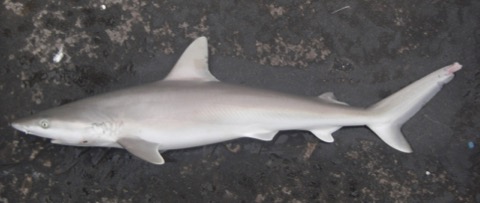
Small coastal shark with a raised dorsal 'blacknose' profile.

Small hammerhead with a rounded head and quick turns.