Species page
Etmopterus Brosei
Etmopterus Brosei shark reference page.
Etmopterus brosei
Species page
Etmopterus Brosei shark reference page.
Etmopterus Brosei is included in the Pocket Shark catalog as a shark reference entry.
Why it matters: WoRMS record ID: 1536520.
Etmopterus Brosei is part of the Pocket Shark species catalog.
Range details are still limited in the current catalog.
Body shape, size, and habitat are the main cues that separate it from related sharks.
Compare it against Brown lanternshark, Etmopterus Alphus, and Etmopterus Benchleyi.
WoRMS record ID: 1536520.
These links are meant to help readers continue through related species, not force extra clicks.
Lanternsharks are miniature deepwater predators that often carry their own dim light show. In PocketShark, this family entry signals a small dark shark of the deep slope, usually better known from catches than from direct observation.
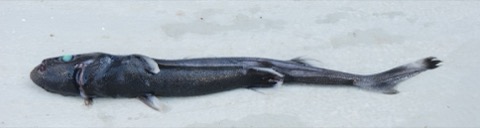
Lanternsharks are miniature deepwater predators that often carry their own dim light show. In PocketShark, this family entry signals a small dark shark of the deep slope, usually better known from catches than from direct observation.
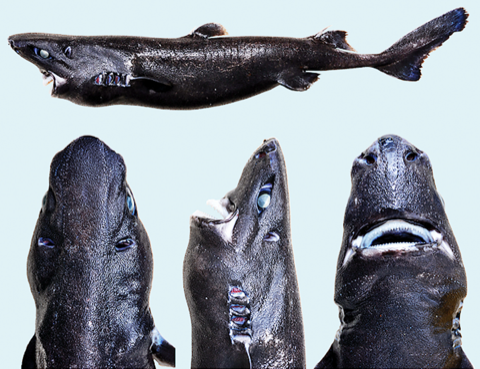
Lanternsharks are miniature deepwater predators that often carry their own dim light show. In PocketShark, this family entry signals a small dark shark of the deep slope, usually better known from catches than from direct observation.

Lanternsharks are miniature deepwater predators that often carry their own dim light show. In PocketShark, this family entry signals a small dark shark of the deep slope, usually better known from catches than from direct observation.