Species page
Heterodontus Omanensis
Shark species in Heterodontidae.
Heterodontus omanensis
Species page
Shark species in Heterodontidae.
Horn and bullhead sharks are compact reef-bottom specialists with eyebrow-like ridges and dorsal spines. In a field guide, they read more like armored shell-crushers than sleek open-water hunters. The family is distinctive for a blunt head, strong ridges over the eyes, stout crushing teeth in the rear of the jaws, and a spine at the front of each dorsal fin. Bullhead and horn sharks live mainly in the Pacific and eastern Indian oceans, with species occupying temperate to tropical coastal zones.
They are benthic sharks of rocky reefs, kelp-influenced coasts, sandy patches, and crevice-rich hard bottom, usually in shallow to moderate depths.
Added from the World Register of Marine Species (WoRMS).
Why it matters: Their egg cases are shaped like little spirals so they can be twisted into cracks for protection.
The family is distinctive for a blunt head, strong ridges over the eyes, stout crushing teeth in the rear of the jaws, and a spine at the front of each dorsal fin.
Bullhead and horn sharks live mainly in the Pacific and eastern Indian oceans, with species occupying temperate to tropical coastal zones.
They are benthic sharks of rocky reefs, kelp-influenced coasts, sandy patches, and crevice-rich hard bottom, usually in shallow to moderate depths.
Family: Heterodontidae
Compare it against Galapagos bullhead shark, Heterodontus Marshallae, and Mozambique bullhead shark.
These sharks pose little danger to people, though the dorsal spines and bite can defend them if handled.
Species-level taxonomy was verified from Sharkipedia's current species list and taxonomy workbook. In this pass, the narrative fields are cautious family-level placeholders synthesized from broad shark references, chiefly the FAO Sharks of the World catalogue, because a stronger multi-source species-level synthesis was not assembled here without risking invented detail. Replace this with a direct species-level synthesis before publication in the app.
These links are meant to help readers continue through related species, not force extra clicks.
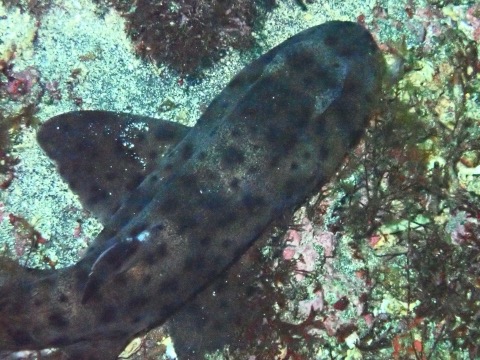
Shark species in Heterodontidae.
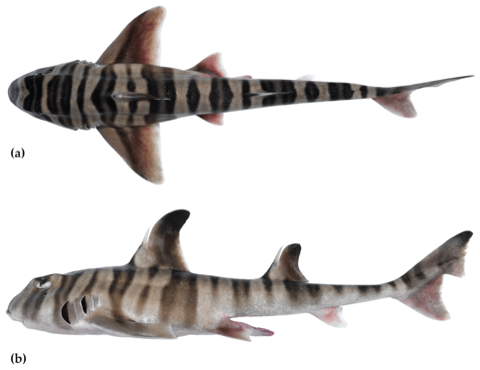
Shark species in Heterodontidae.
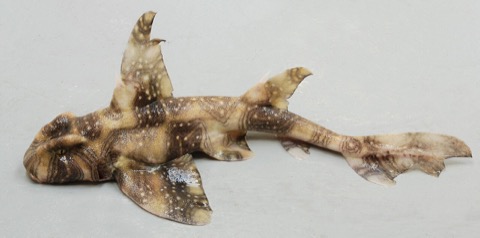
Shark species in Heterodontidae.
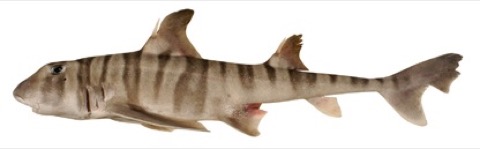
Common name: Zebra bullhead shark
Shark species in Heterodontidae.