Species page
Leopard Shark
Calm coastal shark patterned with dark saddles and spots.
Triakis semifasciata
Least concern
Species page
Calm coastal shark patterned with dark saddles and spots.
This shark belongs to the houndshark family, a broad group of shelf and nearshore species with a practical coastal build. In PocketShark, expect a benthic-to-near-benthic predator rather than a flashy pelagic specialist. Houndsharks are usually slender to moderately built coastal sharks with two dorsal fins, an anal fin, and a generally understated gray-brown appearance. Houndsharks occupy temperate, subtropical, and tropical seas around the world, most often on continental shelves and in nearshore habitats.
Typical habitats include sandy bays, estuaries, rocky shelves, kelp-fringed coasts, reefs, and upper-slope margins.
A strong fit for a beginner-friendly field guide section.
Why it matters: The family includes both egg-laying and live-bearing species, which is a useful reminder that shark reproduction does not follow one simple rule.
Houndsharks are usually slender to moderately built coastal sharks with two dorsal fins, an anal fin, and a generally understated gray-brown appearance.
Houndsharks occupy temperate, subtropical, and tropical seas around the world, most often on continental shelves and in nearshore habitats.
Typical habitats include sandy bays, estuaries, rocky shelves, kelp-fringed coasts, reefs, and upper-slope margins.
High tolerance for shallow coastal habitats
Compare it against Triakis Acutipinna, Triakis Maculata, and Triakis Megalopterus.
They are not major problem sharks for people. Fisheries pressure and nursery habitat loss are the more common concerns.
These links are meant to help readers continue through related species, not force extra clicks.
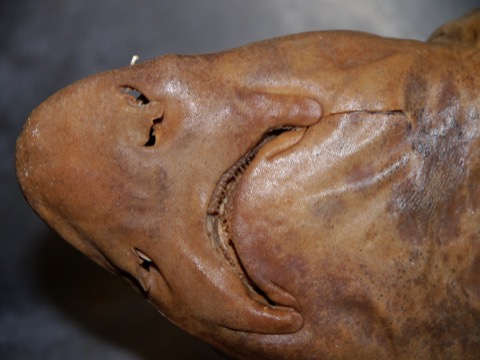
This shark belongs to the houndshark family, a broad group of shelf and nearshore species with a practical coastal build. In PocketShark, expect a benthic-to-near-benthic predator rather than a flashy pelagic specialist.
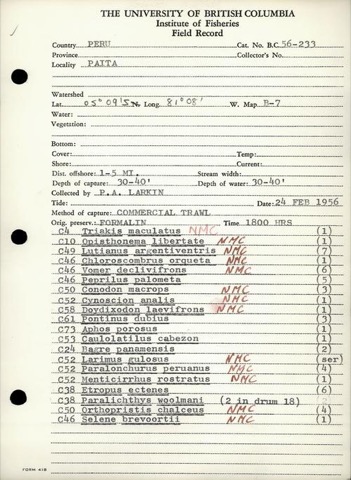
This shark belongs to the houndshark family, a broad group of shelf and nearshore species with a practical coastal build. In PocketShark, expect a benthic-to-near-benthic predator rather than a flashy pelagic specialist.
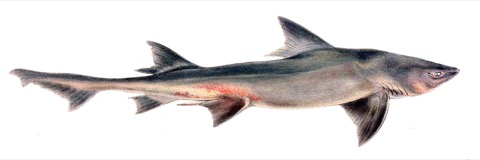
This shark belongs to the houndshark family, a broad group of shelf and nearshore species with a practical coastal build. In PocketShark, expect a benthic-to-near-benthic predator rather than a flashy pelagic specialist.
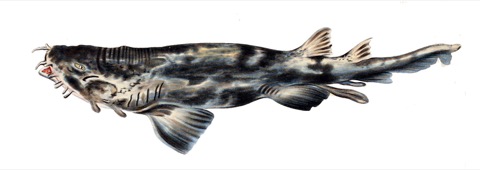
This shark belongs to the houndshark family, a broad group of shelf and nearshore species with a practical coastal build. In PocketShark, expect a benthic-to-near-benthic predator rather than a flashy pelagic specialist.