Species page
picked dogfish
Common name: Spiny dogfish
Shark species in Squalidae.
Squalus acanthias
Species page
Common name: Spiny dogfish
Shark species in Squalidae.
Dogfishes are practical, spine-backed shelf and slope sharks that turn up across much of the world's temperate seas. In PocketShark, expect a pointed snout, no anal fin, and a life history slower than the small size first suggests. Squalids usually have a slender body, no anal fin, and a spine in front of each dorsal fin. The snout is often pointed, and the build is more dogfish-like than bulky. Dogfishes occur from temperate to tropical seas worldwide, often on shelves and slopes and especially in cooler waters.
Most species are associated with the bottom or near-bottom waters of continental shelves, upper slopes, and offshore banks.
Added from the World Register of Marine Species (WoRMS).
Why it matters: Despite their modest size, some dogfishes have some of the longest pregnancies known among vertebrates.
Squalids usually have a slender body, no anal fin, and a spine in front of each dorsal fin. The snout is often pointed, and the build is more dogfish-like than bulky.
Dogfishes occur from temperate to tropical seas worldwide, often on shelves and slopes and especially in cooler waters.
Most species are associated with the bottom or near-bottom waters of continental shelves, upper slopes, and offshore banks.
Family: Squalidae
Compare it against Japanese shortnose spurdog, Longnose spurdog, and Squalus Acutipinnis.
They are widely caught in fisheries and were historically important in some regions. Public-safety risk is low; exploitation pressure is the real issue.
Species-level taxonomy was verified from Sharkipedia's current species list and taxonomy workbook. In this pass, the narrative fields are cautious family-level placeholders synthesized from broad shark references, chiefly the FAO Sharks of the World catalogue, because a stronger multi-source species-level synthesis was not assembled here without risking invented detail. Replace this with a direct species-level synthesis before publication in the app.
These links are meant to help readers continue through related species, not force extra clicks.
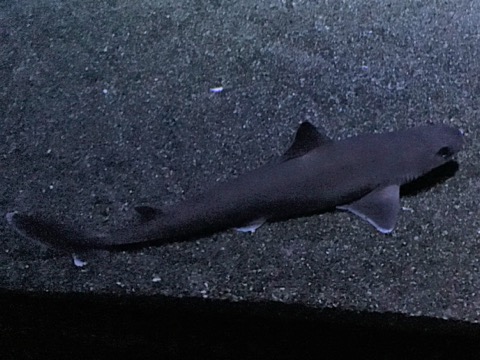
Shark species in Squalidae.
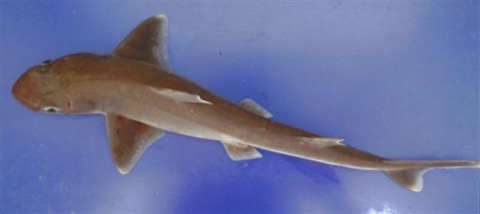
Shark species in Squalidae.
Shark species in Squalidae.
Shark species in Squalidae.