Species page
Zebra Shark
Slow inshore shark famous for dramatic color changes with age.
Stegostoma tigrinum
Endangered
Species page
Slow inshore shark famous for dramatic color changes with age.
The zebra shark changes its look as it grows, shifting from juvenile stripes to adult spots. In PocketShark, that pattern change is the key memory aid: same species, very different wardrobe. Adults are long-bodied with a low rear dorsal profile and a striking pattern of dark spots, while juveniles are boldly striped, creating one of the most dramatic age-related pattern shifts among sharks. The zebra shark is an Indo-West Pacific species associated with tropical reef regions from the western Indian Ocean to the western Pacific.
It uses shallow coral reefs, sandy lagoon bottoms, and nearby channels, often resting on the bottom by day.
A charismatic reef shark with notable juvenile-to-adult coloration shift.
Why it matters: Juveniles are striped while adults are spotted, which is why the common name can feel visually backwards.
Adults are long-bodied with a low rear dorsal profile and a striking pattern of dark spots, while juveniles are boldly striped, creating one of the most dramatic age-related pattern shifts among sharks.
The zebra shark is an Indo-West Pacific species associated with tropical reef regions from the western Indian Ocean to the western Pacific.
It uses shallow coral reefs, sandy lagoon bottoms, and nearby channels, often resting on the bottom by day.
Ontogenetic color shift from bands to spotted adult pattern
Compare it against Nurse Shark and Spotted Wobbegong.
It is a low-risk species for divers and swimmers. Coastal habitat change, collection, and fishing matter more than direct conflict.
These links are meant to help readers continue through related species, not force extra clicks.
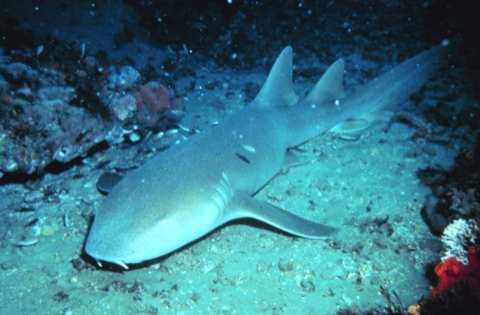
Bottom-dwelling shark with a slow, steady pace.
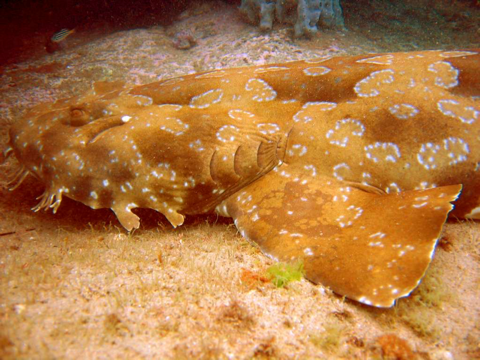
Camouflaged reef carpet shark with powerful nocturnal foraging.