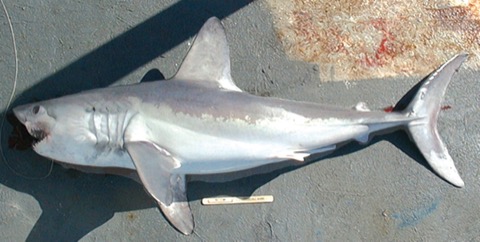
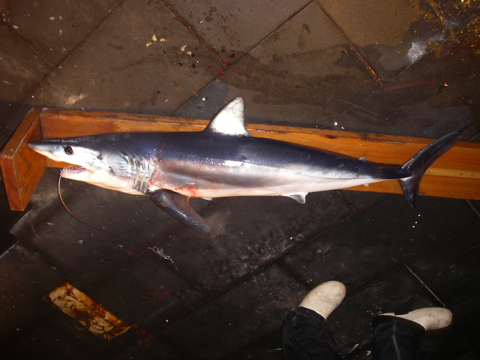
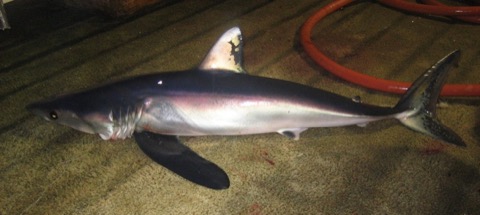
Lamna nasus
Common name: Atlantic mackerel shark
This species belongs to the mackerel shark family, where speed, endurance, and a streamlined build dominate the design. Think powerful open-water movement, long-distance travel, and a slow life history that does not absorb heavy fishing easily.
3.5 m max
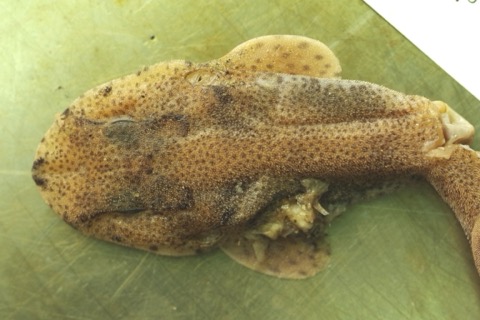
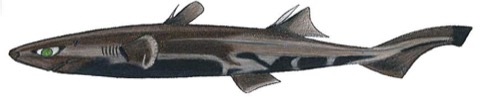
Holohalaelurus punctatus
Catsharks are generally small to medium sharks with slender bodies, elongated tails, and patterned skin marked by spots, saddles, or reticulation.
0.3 m max
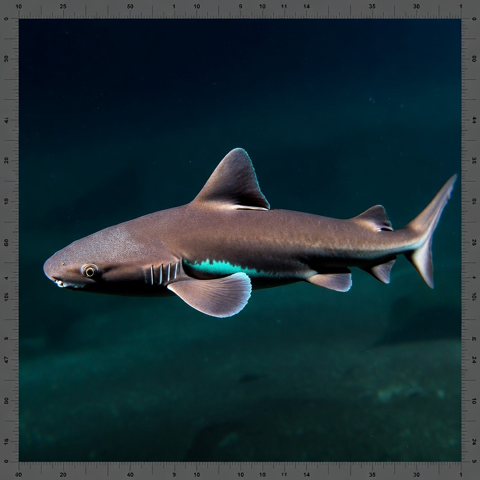
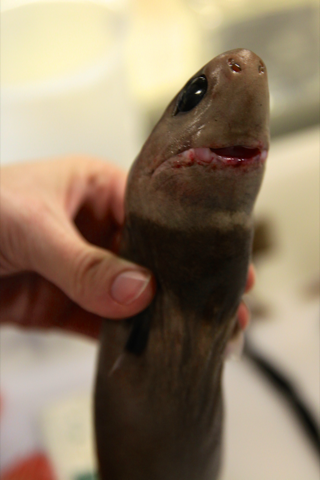
Mollisquama mississippiensis
Tiny deep-sea shark with glowing pocket glands near its front fins.
0.1 m maxData deficient
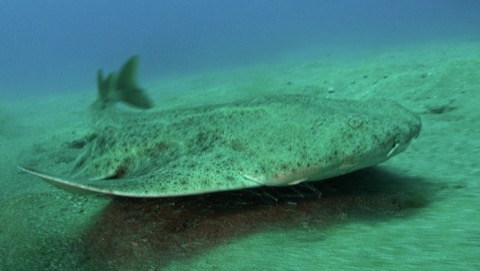
Squatina squatina
Common name: Angelshark
Wedge-shaped ambush predator with broad, flat head and slow glide.
2.4 m maxCritically Endangered
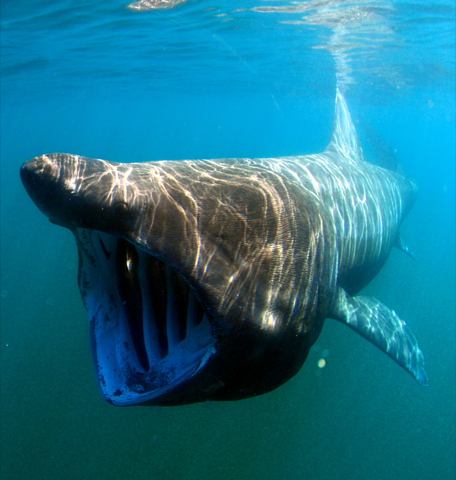
Cetorhinus maximus
Huge open-mouthed filter feeder of cooler seas.
12.0 m maxEndangered
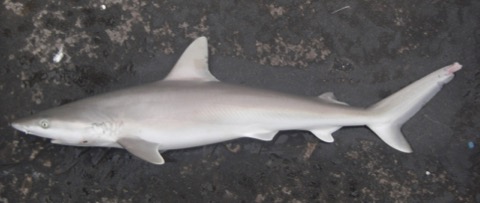
Carcharhinus acronotus
Small coastal shark with a raised dorsal 'blacknose' profile.
2.0 m maxEndangered
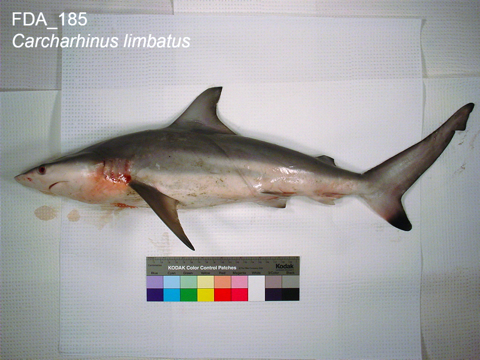
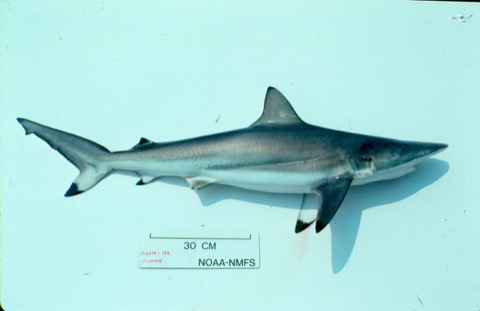
Carcharhinus limbatus
Fast, agile coastal shark with black-tipped fins.
2.9 m maxNear Threatened
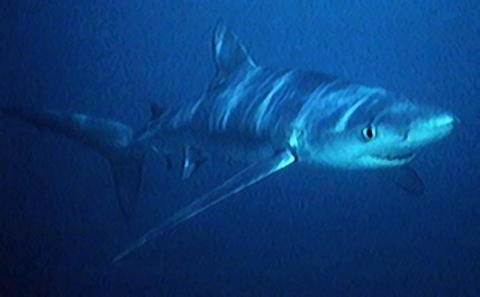
Prionace glauca
Pelagic cruiser with a strong blue-gray silhouette.
3.8 m maxNear Threatened
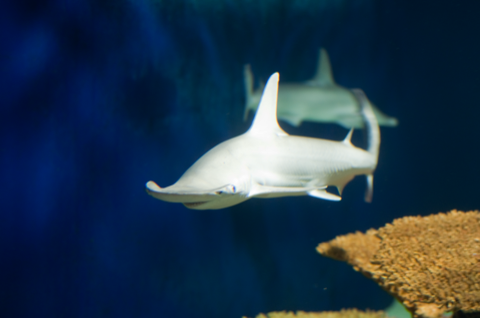
Sphyrna tiburo
Small hammerhead with a rounded head and quick turns.
1.7 m maxLeast Concern
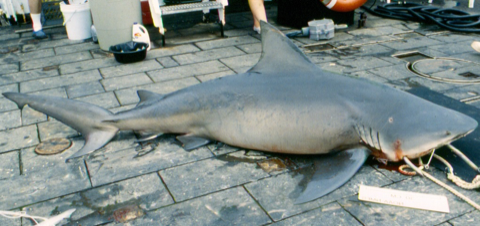
Carcharhinus leucas
A tough coastal shark that tolerates brackish and fresh water.
3.4 m maxVulnerable
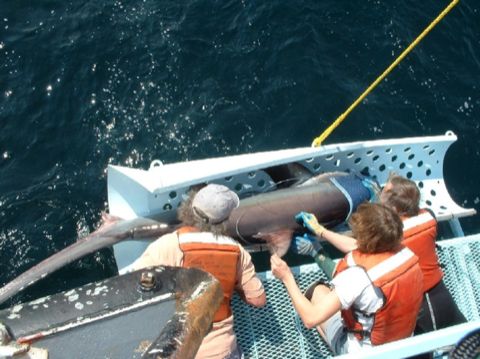
Alopias vulpinus
Uses a whip-like tail to stun fish schools.
6.0 m maxVulnerable
Isistius brasiliensis
Small shark that carves neat circular bites from larger animals.
0.6 m maxLeast concern
Etmopterus perryi
One of the smallest sharks on Earth.
0.2 m maxData deficient
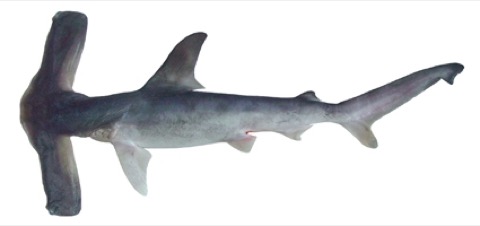
Eusphyra blochii
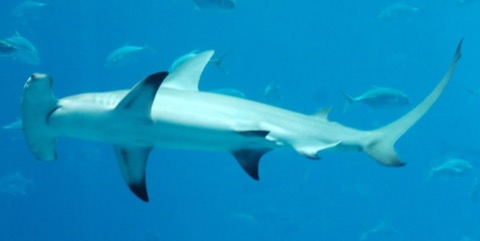
This shark belongs to the hammerhead family, where the head itself is the signature field mark. PocketShark uses that broad sensory platform as the visual anchor, then adds species-specific differences when the source base is stronger.
1.9 m max
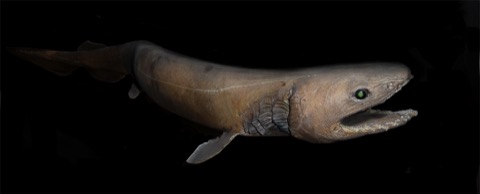
Chlamydoselachus anguineus
A deep-water, eel-like shark with frilled gill slits.
2.0 m maxLeast Concern
Mitsukurina owstoni
A deep-sea ambush shark with an extendable jaw.
4.0 m maxLeast concern
Sphyrna mokarran
Long-cephalofoil hunter that patrols warm coastal waters.
6.1 m maxCritically Endangered
Carcharodon carcharias
Common name: White shark
Fast, powerful apex predator built for bursts of speed.
6.1 m maxVulnerable
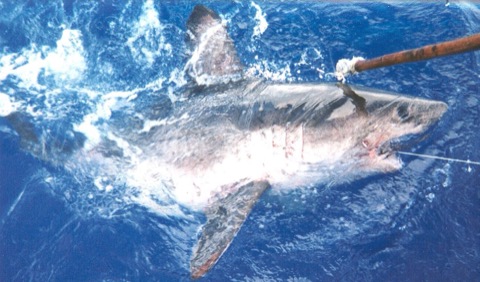
Lamna ditropis
Common name: Salmon shark
This species belongs to the mackerel shark family, where speed, endurance, and a streamlined build dominate the design. Think powerful open-water movement, long-distance travel, and a slow life history that does not absorb heavy fishing easily.
3.0 m max
Negaprion brevirostris
Yellow-green coastal shark known for high nursery fidelity.
3.4 m maxNear Threatened
Triakis semifasciata
Calm coastal shark patterned with dark saddles and spots.
1.8 m maxLeast concern
Ginglymostoma cirratum
Bottom-dwelling shark with a slow, steady pace.
3.2 m maxNear Threatened
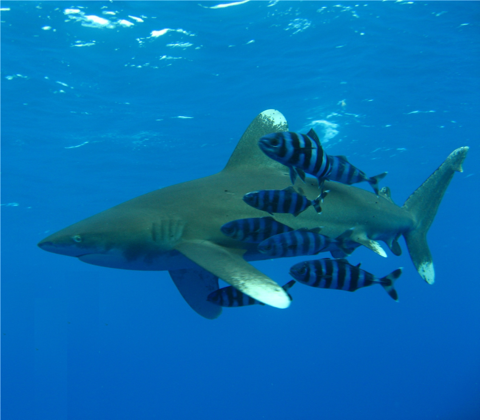
Carcharhinus longimanus
Common name: Oceanic whitetip shark
Open-ocean shark with tall, white-tipped fins.
3.8 m maxCritically Endangered
Sphyrna lewini
Distinct hammer-shaped head packed with sensory power.
4.2 m maxCritically endangered
Isurus oxyrinchus
Common name: Shortfin mako shark
One of the ocean’s fastest sharks.
4.0 m maxEndangered
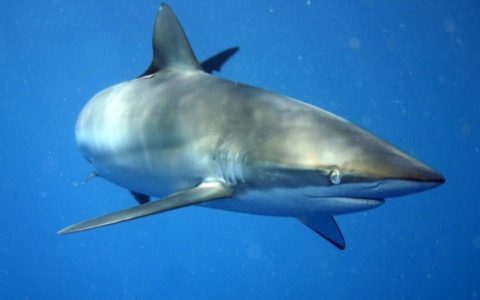
Carcharhinus falciformis
Dark-bodied open-ocean hunter with a silky texture.
3.9 m maxNear Threatened
Carcharhinus brevipinna
The leaping pelagic shark with a signature spinning chase.
2.8 m maxNear Threatened
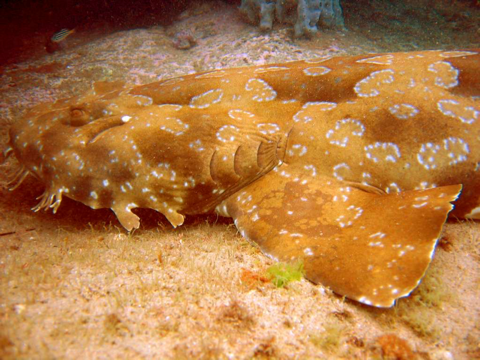
Orectolobus maculatus
Camouflaged reef carpet shark with powerful nocturnal foraging.
3.2 m maxLeast Concern
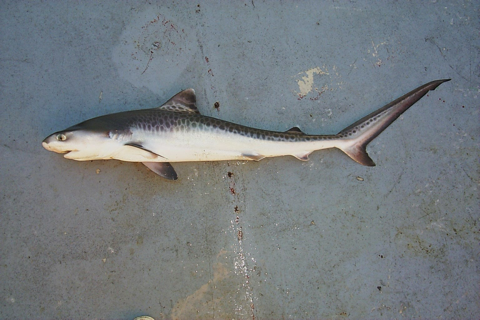
Galeocerdo cuvier
Wide-ranging opportunist with a famously varied diet.
5.5 m maxNear threatened
Rhincodon typus
The planet's largest fish, but a gentle filter feeder.
18.0 m maxEndangered
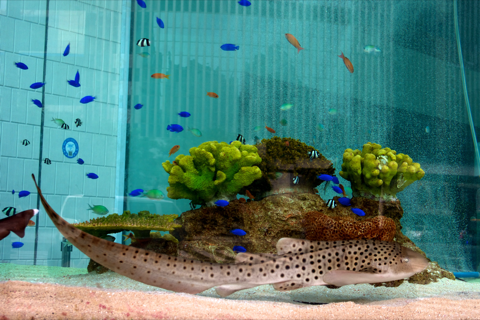
Stegostoma tigrinum
Slow inshore shark famous for dramatic color changes with age.
3.5 m maxEndangered
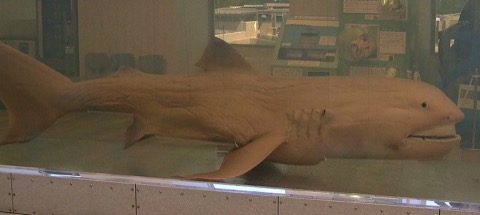
Megachasma pelagios
Common name: big mouth shark
Megamouth sharks are rare oceanic filter feeders with an outsized mouth and a quietly mysterious reputation. Even in a field guide, the right tone is restraint: very large head, unusual feeding mode, and very few direct observations.
7.1 m max
Alopias superciliosus
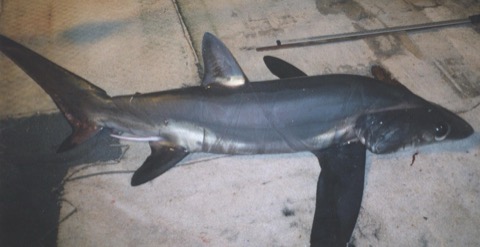
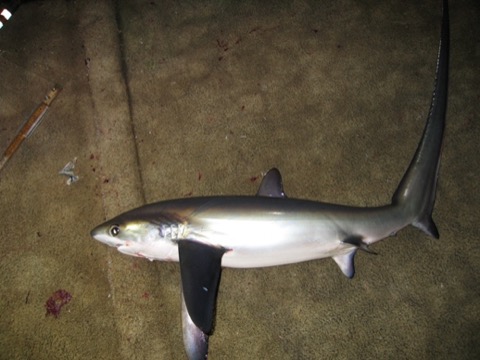
This species belongs to the thresher shark family, famous for a whip-like tail longer than most sharks ever grow. Even when details vary between species, that tail is the quickest clue in the field.
4.9 m max
Hexanchus griseus
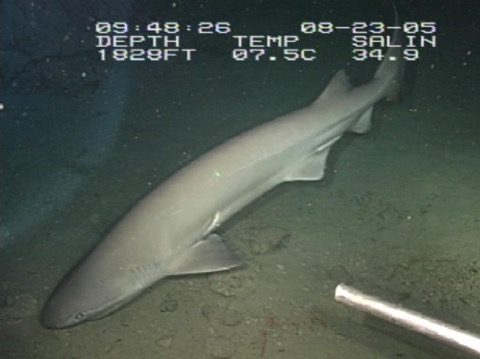
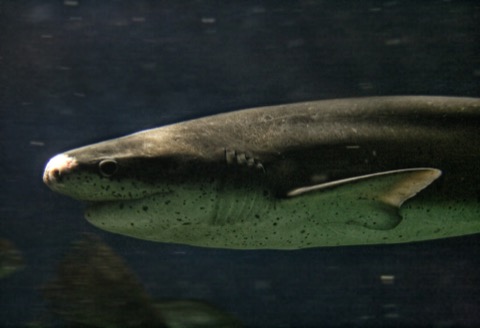
Cow and sevengill sharks are unmistakable once you notice the one dorsal fin and extra gill slits. This family profile fits sharks that feel ancient in outline: broad-headed, powerful, and often tied to deeper water.
4.8 m max
Notorynchus cepedianus
Cow and sevengill sharks are unmistakable once you notice the one dorsal fin and extra gill slits. This family profile fits sharks that feel ancient in outline: broad-headed, powerful, and often tied to deeper water.
3.0 m max
Alopias pelagicus
Common name: fox shark
This species belongs to the thresher shark family, famous for a whip-like tail longer than most sharks ever grow. Even when details vary between species, that tail is the quickest clue in the field.
3.8 m max
Isurus paucus
Common name: longfin mako
This species belongs to the mackerel shark family, where speed, endurance, and a streamlined build dominate the design. Think powerful open-water movement, long-distance travel, and a slow life history that does not absorb heavy fishing easily.
4.2 m max
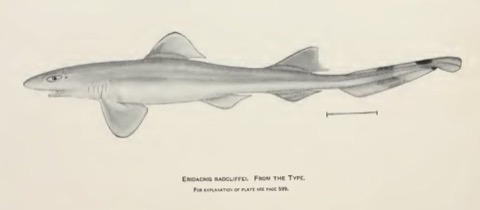
Eridacnis radcliffei
Proscylliids are small, slender carcharhiniform sharks with a catshark-like feel but a somewhat different fin and head arrangement depending on genus.
0.2 m max